What are Lead Dogs in Husky Sled Teams?

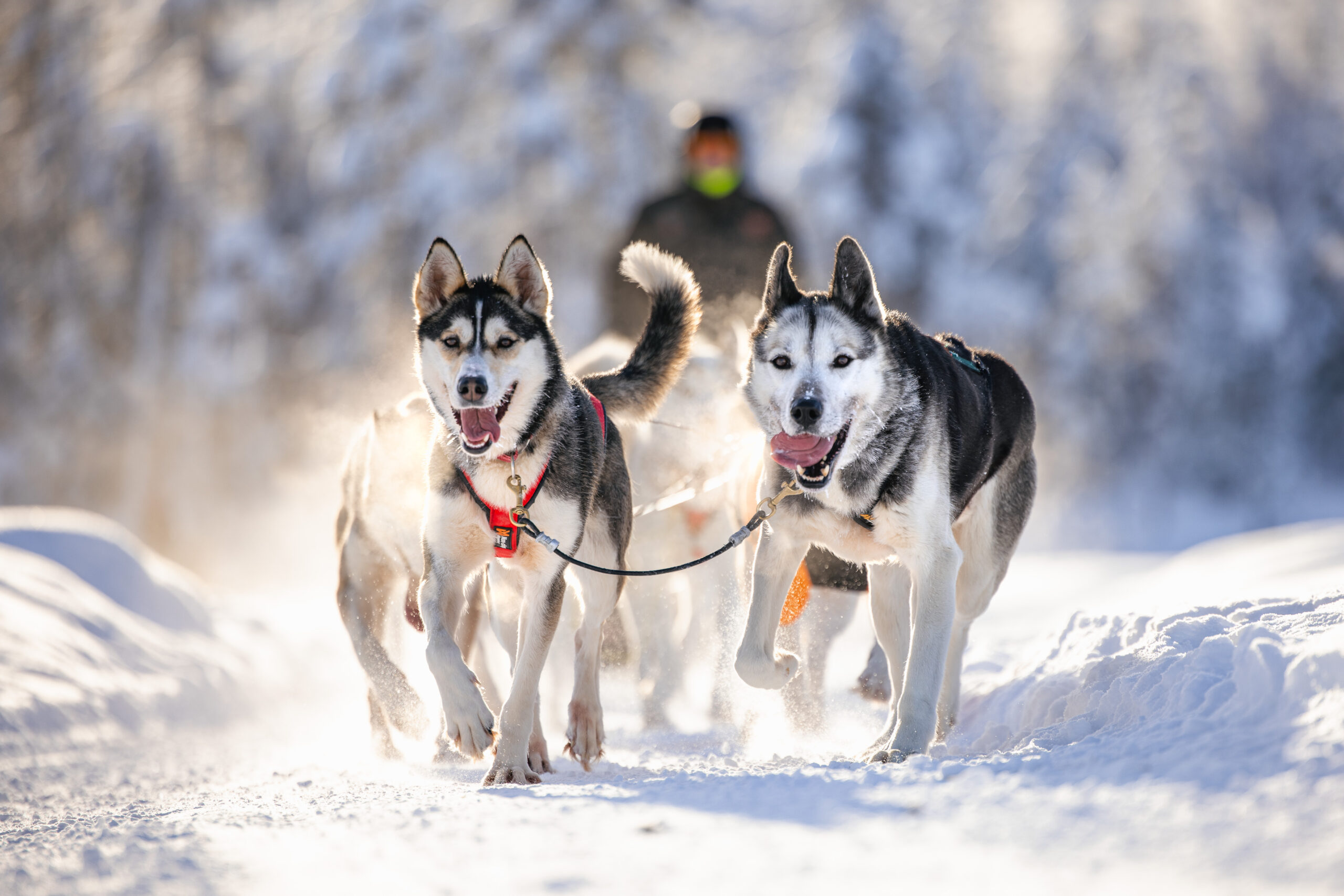
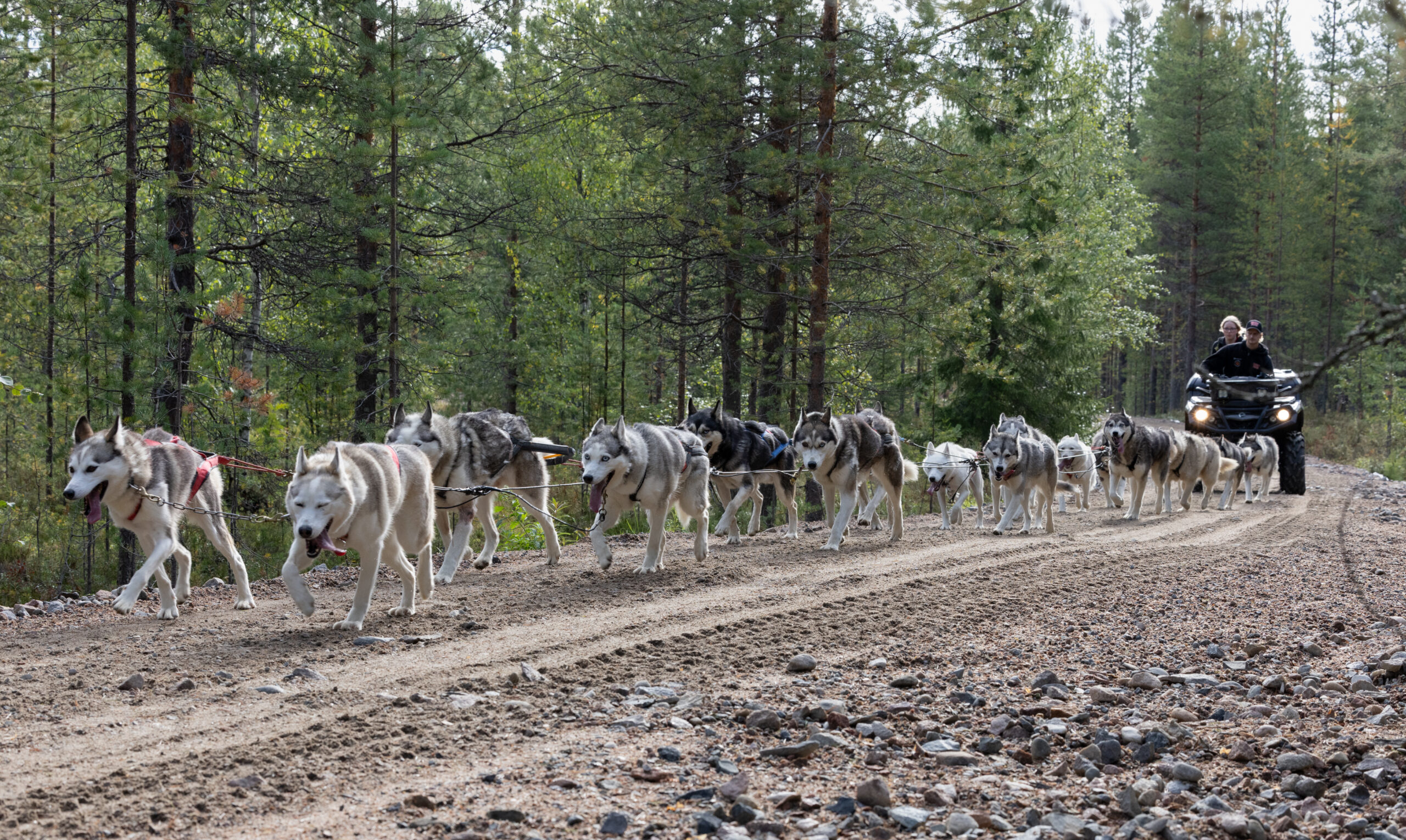
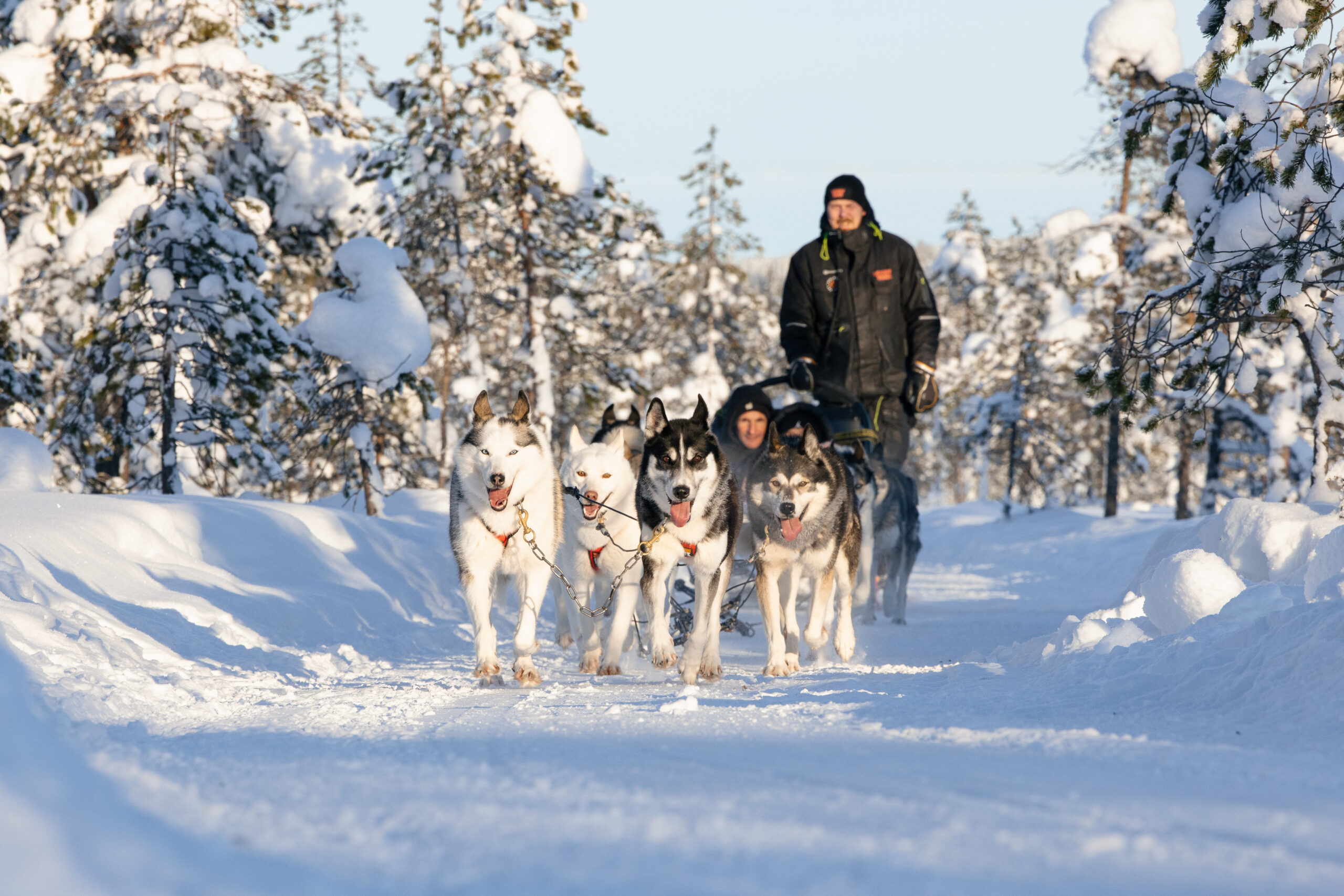
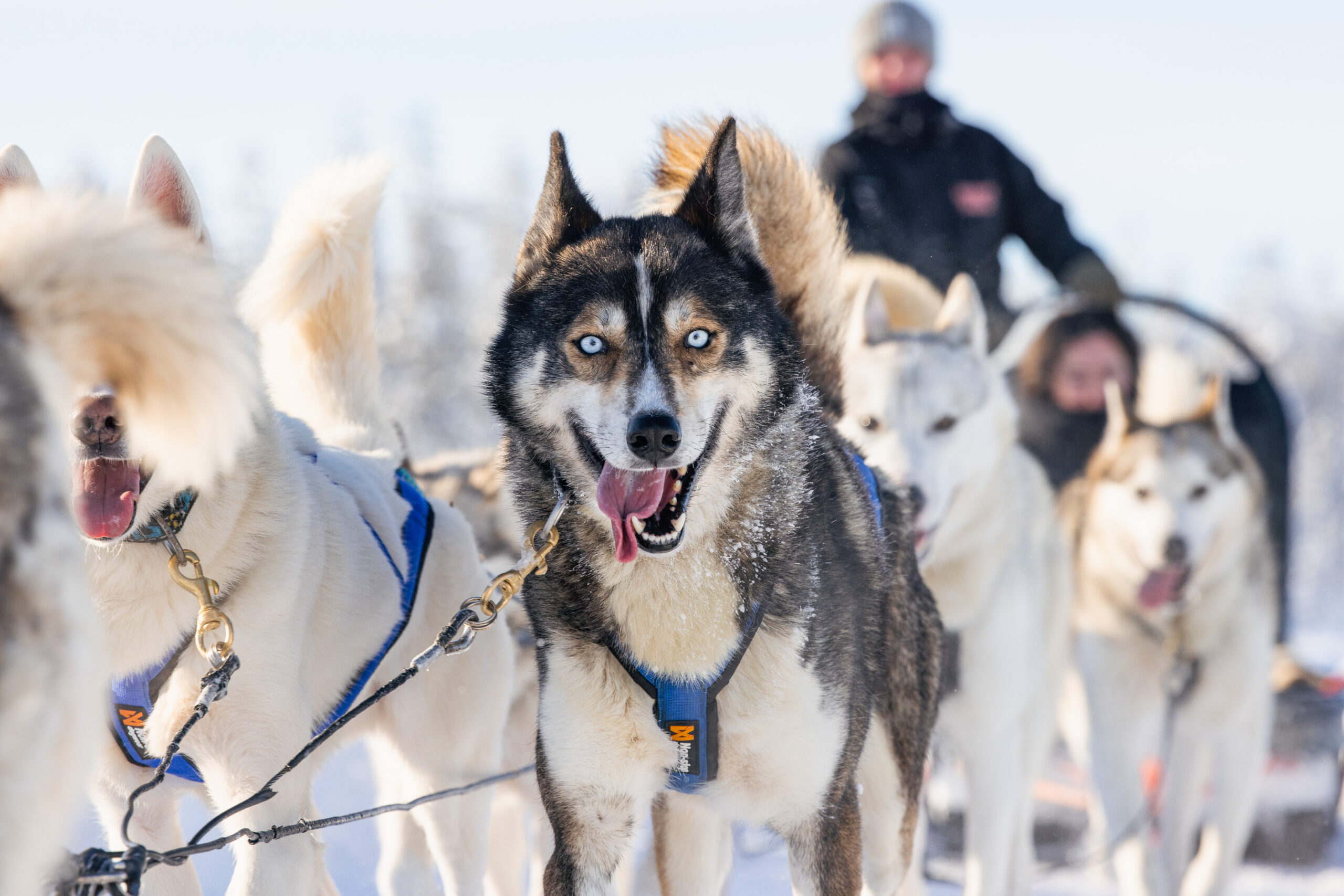
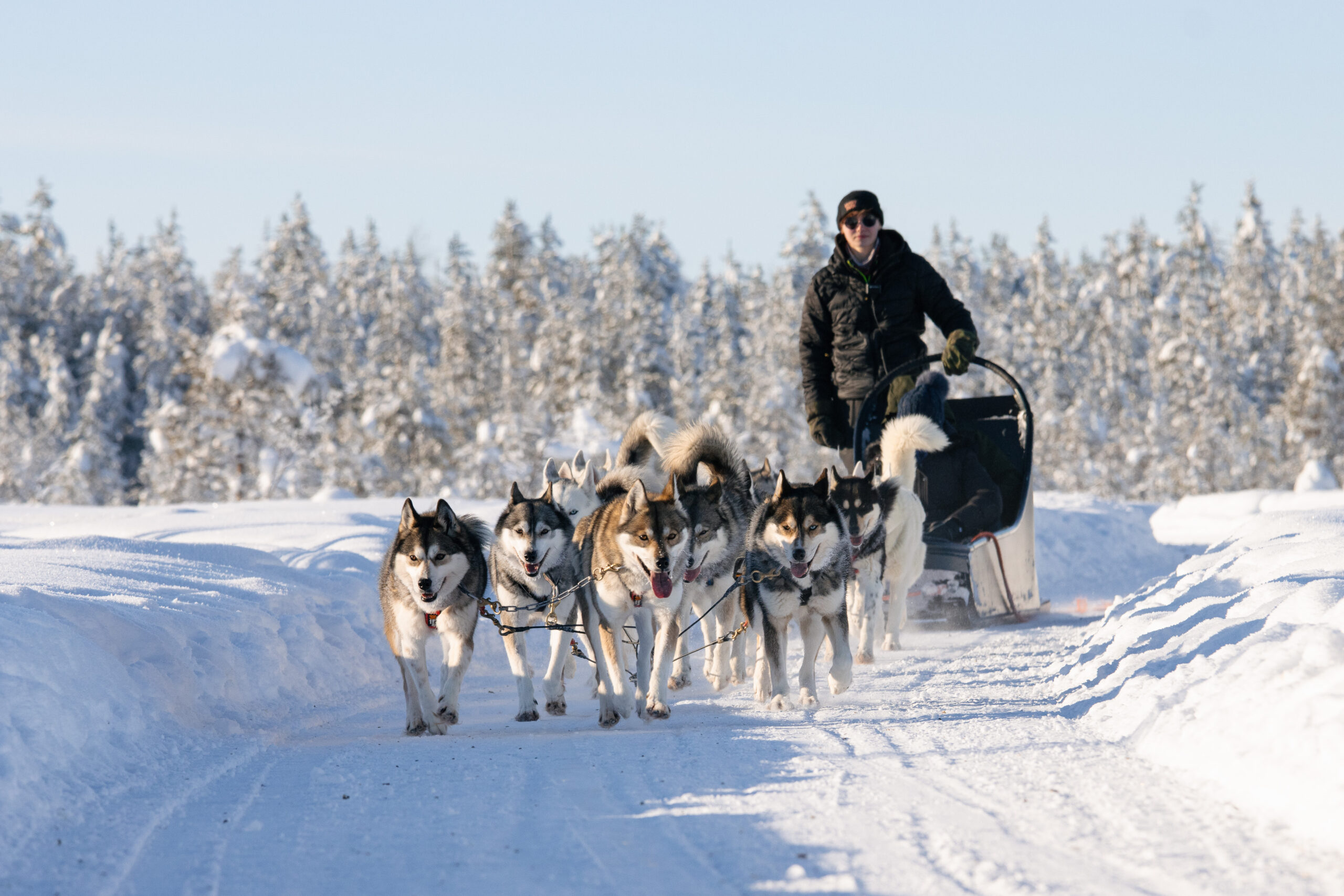
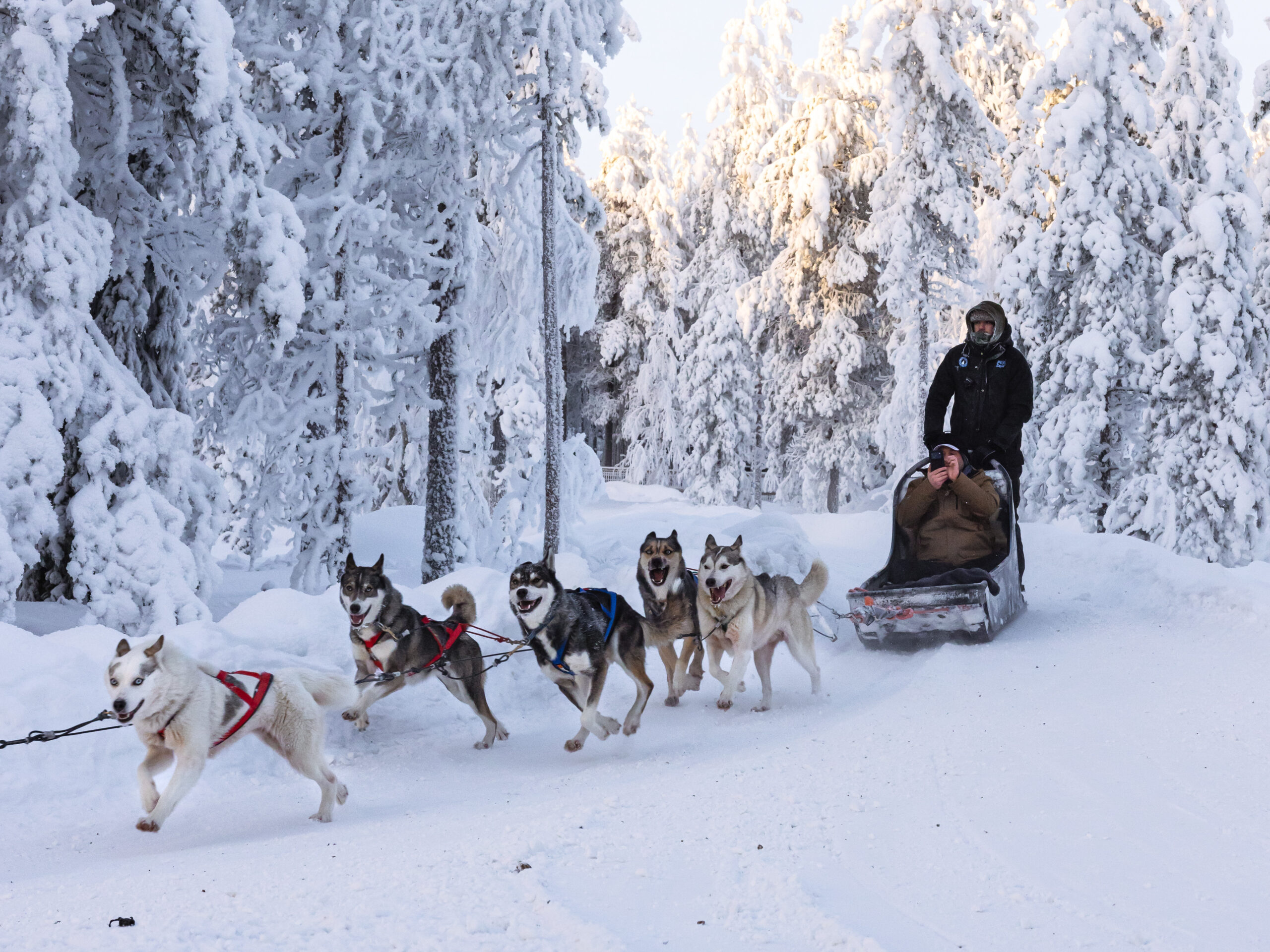
Running huskies in a sled team, two lead dogs pulling sled in snow, Rovaniemi Finland

Imagine gliding through snow-covered forests, guided by a team of energetic huskies under the Arctic sky. At Husky Park, located in Santa Claus Village – Rovaniemi, this is possible, and a great way to witness the remarkable teamwork of these incredible animals. While sled dogs have captured imaginations for decades, their roles in a team are far more nuanced than many realize. Let’s dive into how “lead dogs” and the rest of the pack work together to make every ride unforgettable.

The Lead Dogs: Natural Leaders of the Pack

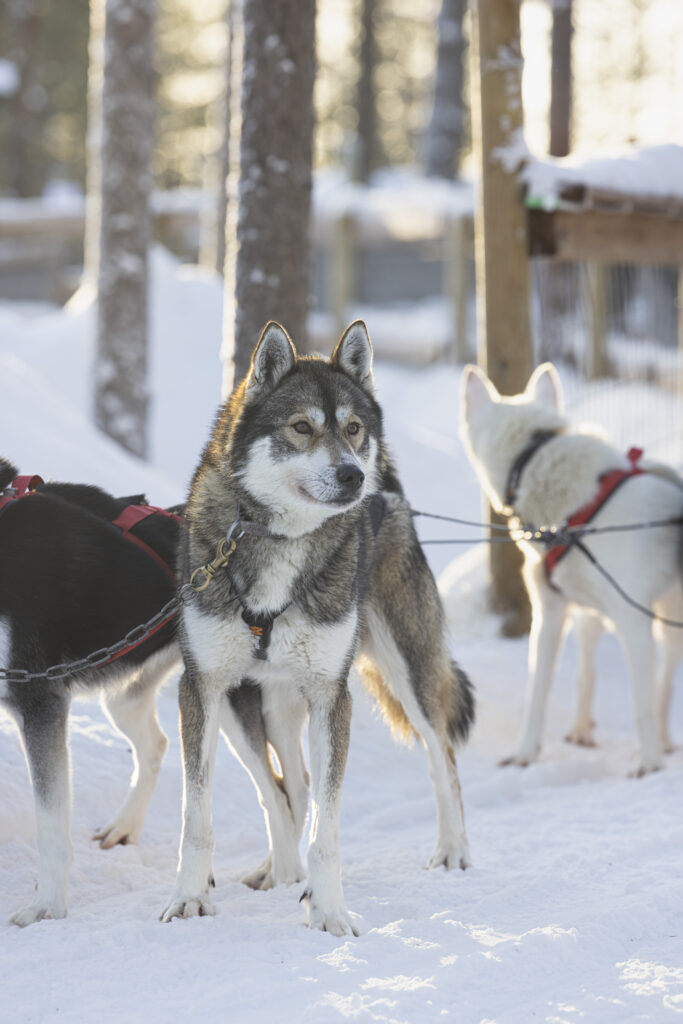
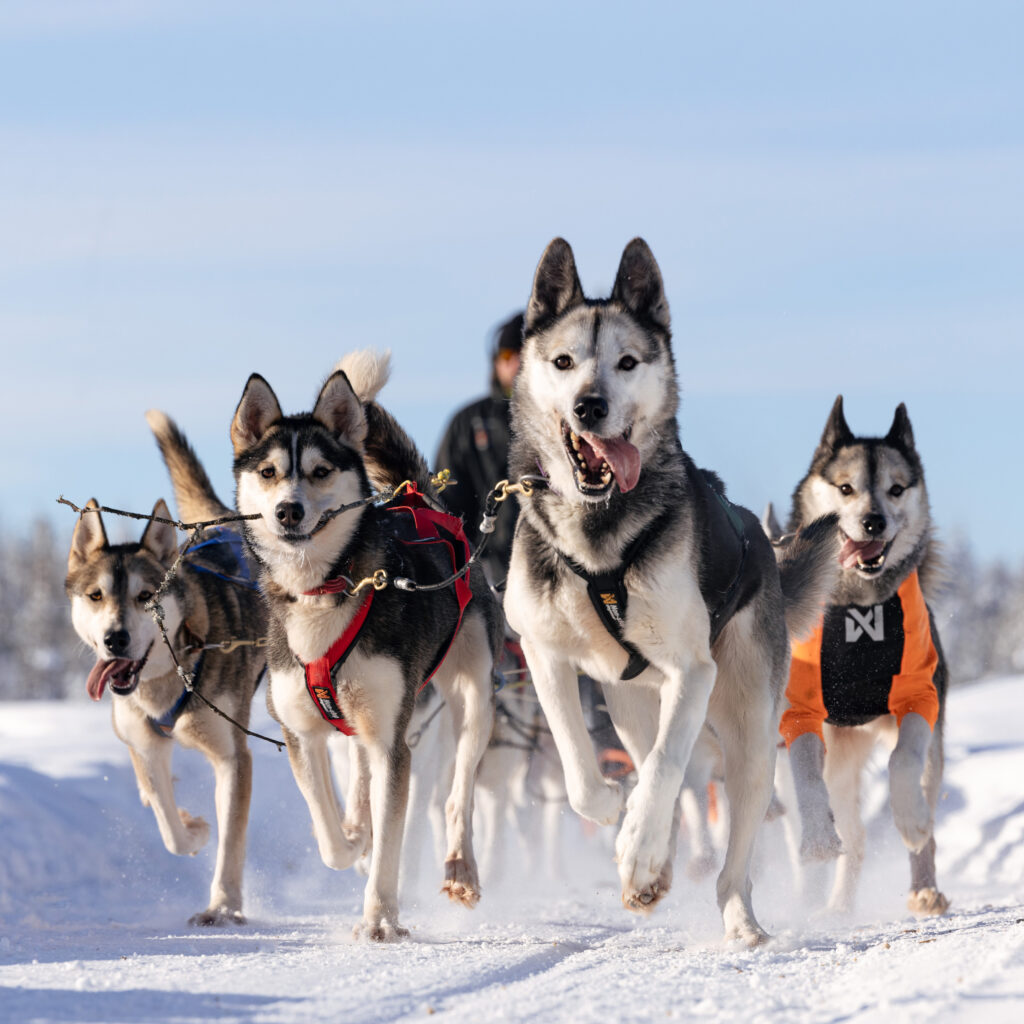
The first two huskies in a sled team are aptly called lead dogs. Lead dogs are the decision-makers of the sled team. These huskies interpret commands from the musher, navigate turns, and keep the pack focused. At Husky Park, we experiment with different dogs in lead positions to find those who thrive in the role. We try to pair experienced leaders with younger ones to help them learn through observation. It’s a dynamic process that highlights each dog’s unique personality and instincts.

The Rest of the Team

While the lead dog sets the direction, the rest of the team plays equally vital roles. Team dogs (the middle of the pack) act as the engine, providing speed and endurance to keep the sled moving forward. They work in sync, relying on their bond with each other and the musher. Meanwhile, wheel dogs, the two closest to the sled, are usually the strongest and biggest members. They handle steering and stabilization, especially during sharp turns. Every dog is matched to a role based on their energy levels and abilities, ensuring a balanced and efficient team.

Training, Age, and Wellbeing

At Husky Park, we’re home to over 130 huskies, each with their own story. Puppies begin training at just 1 year old, but their peak working age is between 2–8 years. They continue participating as long as they enjoy it and remain capable. We prioritize rest periods and voluntary participation, ensuring every dog’s well-being comes first. This approach not only keeps the huskies happy but also creates a more responsive and joyful team for visitors to experience.

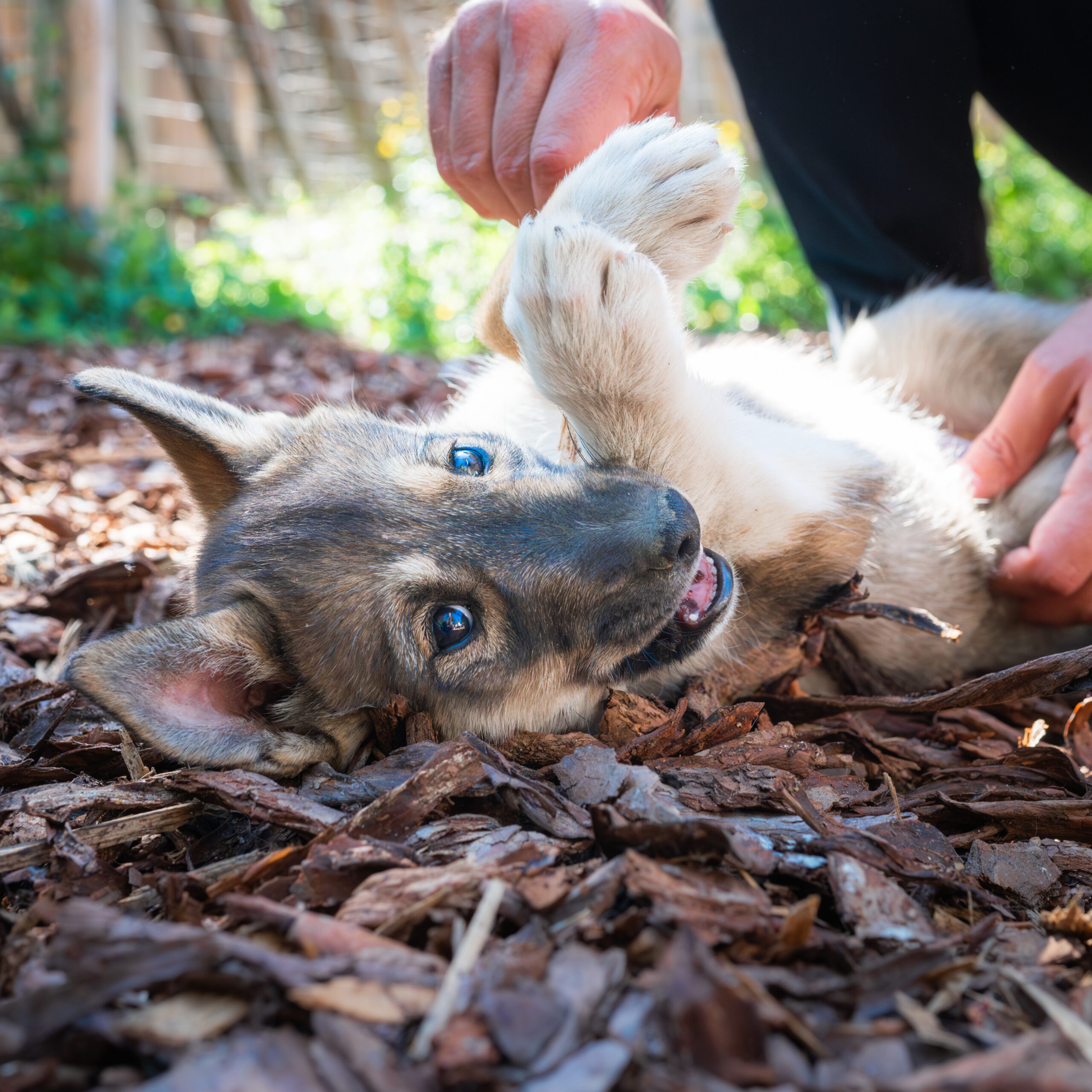
Siberian Husky puppy enjoying belly rubs

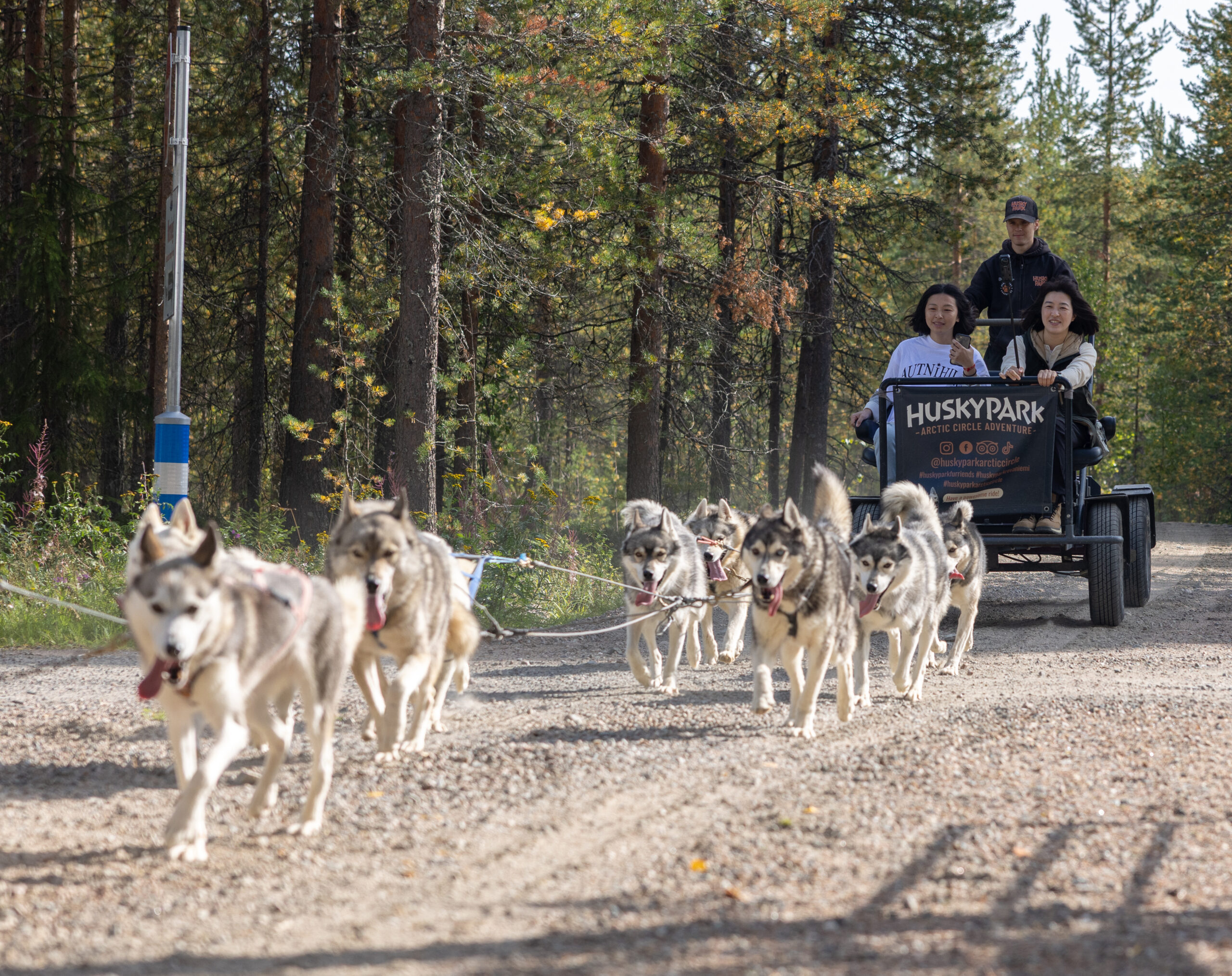
Husky rides through Finland’s beautiful forests without any snow at all are just as thrilling!

Why Husky Park Stands Out: A Unique Arctic Experience

Right in the heart of Santa Claus Village, Rovaniemi, Husky Park offers a magical setting where you can explore Lapland’s snowy landscapes while connecting with these remarkable animals. Whether you’re a first-time adventurer or a seasoned enthusiast, our tours blend excitement with education, giving you insight into the world of sled dogs. Every ride is driven by a professional guide, with varying ride lengths perfect for all mobility levels and ages. With a focus on sustainability and animal care, every ride is a celebration of teamwork, nature, and the spirit of the Arctic.

Ready to experience it for yourself? Join us at Husky Park, and create memories that will last a lifetime!

Do Husky Rides Need Snow?

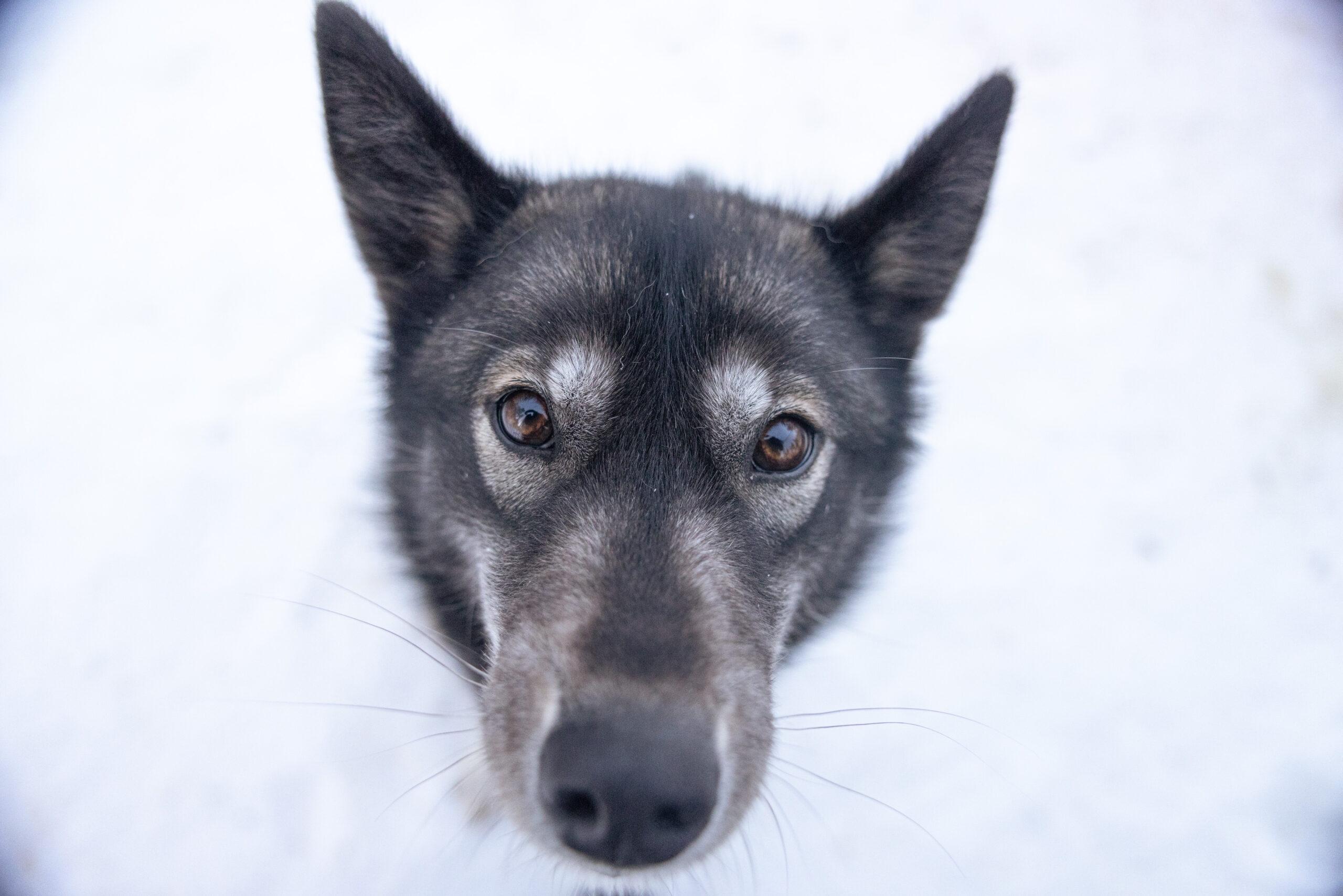
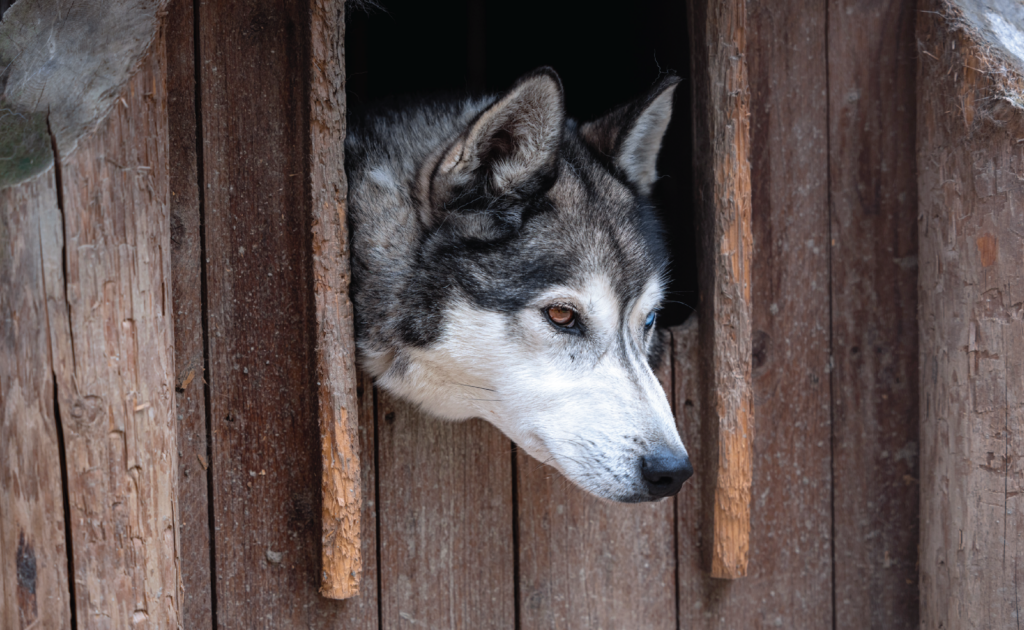
Top view of a cute husky looking straight into the camera at Husky Park, Rovaniemi

While many associate husky rides with snowy landscapes, the truth is simpler: snow isn’t a requirement. In Rovaniemi, and especially at Husky Park right in Santa Claus Village, we offer fun husky experiences all year-round! Even husky rides are available for much longer than youd think. No snow needed! Here’s how it works.

The Myth of Snow-Dependent Rides

Huskies are built for cold climates, but their love for pulling isn’t tied to snow. In fact at Husky Park, as long as we have cooler weather (temperatures under 15°C), we can start training and providing rides much before snow (or after it has melted). In 2025, we started training our huskies at the end of August, and first short rides started in September! Considering Rovaniemi started seeing snow only in November, that’s ~8 weeks of husky rides most tourists would’ve never expected 🐺

We swap between vehicles depending on the weather and snow conditions throughout the season. Thus, no booking is at risk of full cancellation due to sudden snow/not enough snow.

Here’s what training looks like! We use an ATV, so we can make it dynamically easier to pull and get our huskies back in shape, after a summer of rest.

How It Works: Huskies Without Snow

At Husky park, we’ve designed and built our own 3-seat wheeled carriage for comfort and safety. Our professional guide stands at the back of the carriage behind the visitors, steering the cart while the huskies lead the way. Just like traditional sledding, but on trails, roads, or forest paths. 🐾 All our rides are guide driven, for maximum accessibility. We have slightly different route options based on the season, find them all HERE

Husky rides through Finland’s beautiful forests without any snow at all are just as thrilling!

  • Why It Works: Huskies are naturally strong and love to pull as a team, whether a sled or a carriage.
  • Seasonal Focus: Rides run when temperatures are cool enough for the dogs to be comfortable (under ~15°C), typically from late autumn to early spring.
  • Summer Rides?: During summer, our huskies enjoy a well deserved break. We offer Guided Tours of the park that end in a Husky Meet & Greet, and Husky Hiking in Laplands beautiful forests. (Even under the midnight sun!)

The carriage isn’t a “new invention”, it’s a practical solution that lets huskies stay active and happy, even when snow is scarce. We might have been among the first in Finland to adopt the idea, but using carriages and other solutions for training and rides even without snow has certainly been around for longer.

Final Thoughts

Snow isn’t the only way to experience the magic of huskies, and December certainly isn’t the only time Lapland is showing it’s magic either. Thank you for reading, and learning about mushing culture with us: these dogs love pulling- whether on snow, dirt, or grass. Come see for yourself!

Check out our activities to book your ride or learn more about what we offer all year round!

Why Don’t Huskies’ Paws Freeze? The Science Behind Their Frost-Proof Feet

Huskies are the iconic winter companions, but their most remarkable feature might be their paws. These tough, furry feet are perfectly designed to tackle freezing temperatures, making them ideal for snow-covered adventures. Let’s dive into what makes husky paws so special, and how they stay warm in the harshest cold!

Arctic-Ready Design: Thick & Cushioned Protection 🐾

Life in the harsh Arctic climatic conditions has given Huskies uniquely structured paws that act like natural snowshoes. Husky paw pads are double-layered and packed with fat, acting as natural insulation. The thick tissue and collagen fibers not only shield against ice but also provide cushioning for long runs on rough terrain. Their paws are also compact and well-furred between the toes, preventing snow and ice from packing between them – which could cause painful cuts or discomfort. Imagine for a second walking on snow in shoes filled with soft, insulating foam, except these paws are part of the dog’s body!

Compared to other dogs, husky paws are much thicker and contain more fat to combat extreme cold. The overall paw structure also provides excellent traction on slippery surfaces. These various evolutionary adaptations make huskies ideal for sledding, hiking, or even standing on frozen ground for hours. This paw design directly reflects Siberian husky’s background as a sled dog.

Do they need socks?

Depending on terrain, it can be absolutely crucial to protect a huskys paws with socks or something similar. At Husky Park, we maintain our snowy trails so well we hardly ever need the socks during winter, but during training if the weather is cold but there’s no snow on the ground, we do use socks as necessary to protect the dog paws from running on the freezing gravel/path. Maintained snowy trails though? It’s their natural running terrain 🐾

Look at this excitement! Roo couldn’t be happier running on the snow 🐺

The Secret Weapon: Counter-Current Heat Exchange

Siberian huskies have a built-in “thermostat” in their paws thanks to a clever and efficient arrangement of their blood vessels. Arteries carrying warm blood from the heart to the paws are surrounded by veins returning colder blood from the feet to the heart. This close arrangement creates a heat-exchange zone: as warm arterial blood flows down, it transfers warmth to the returning cold blood. The result? The blood heading back to the heart is reheated before reaching the core, reducing the energy required to maintain body temperature.

This “counter-current circulation” system isn’t unique to huskies, nor mammals for that matter. It is a survival strategy seen in many animals adapted to extreme environments: dolphins use it to regulate heat on their fins, wading birds use it to keep their long legs warm in cold water, and jackrabbits use it to warm their long ears.

For sled dogs, such as Siberian huskies, this adaptation is crucial. It allows them to run long distances on snow and ice without losing excessive heat through their paws, ensuring they stay warm and efficient during the winter months. It’s like having a mini heater that conserves warmth for the rest of their body!

Experience the Magic in Nature 💫

Want to see these incredible paws in action? Head to Arctic Circle Husky Park in Rovaniemi, Finland, where you can witness huskies gliding across snow-covered landscapes. These adventures let you learn about their unique adaptations while enjoying the thrill of sledding or hiking with these resilient dogs. It’s a chance to appreciate how nature has shaped them for life in the Arctic!

Next time you see a husky, remember: their paws aren’t just cute, they’re engineering and evolutionary marvels. Whether they’re racing through snow or padding quietly on icy paths, these dogs are perfectly built for winter wonders.

Ready to explore? Visit Husky Park in Finland and discover the magic of arctic adventures!

Can You Combine Husky Tours with a Santa Visit in Rovaniemi?

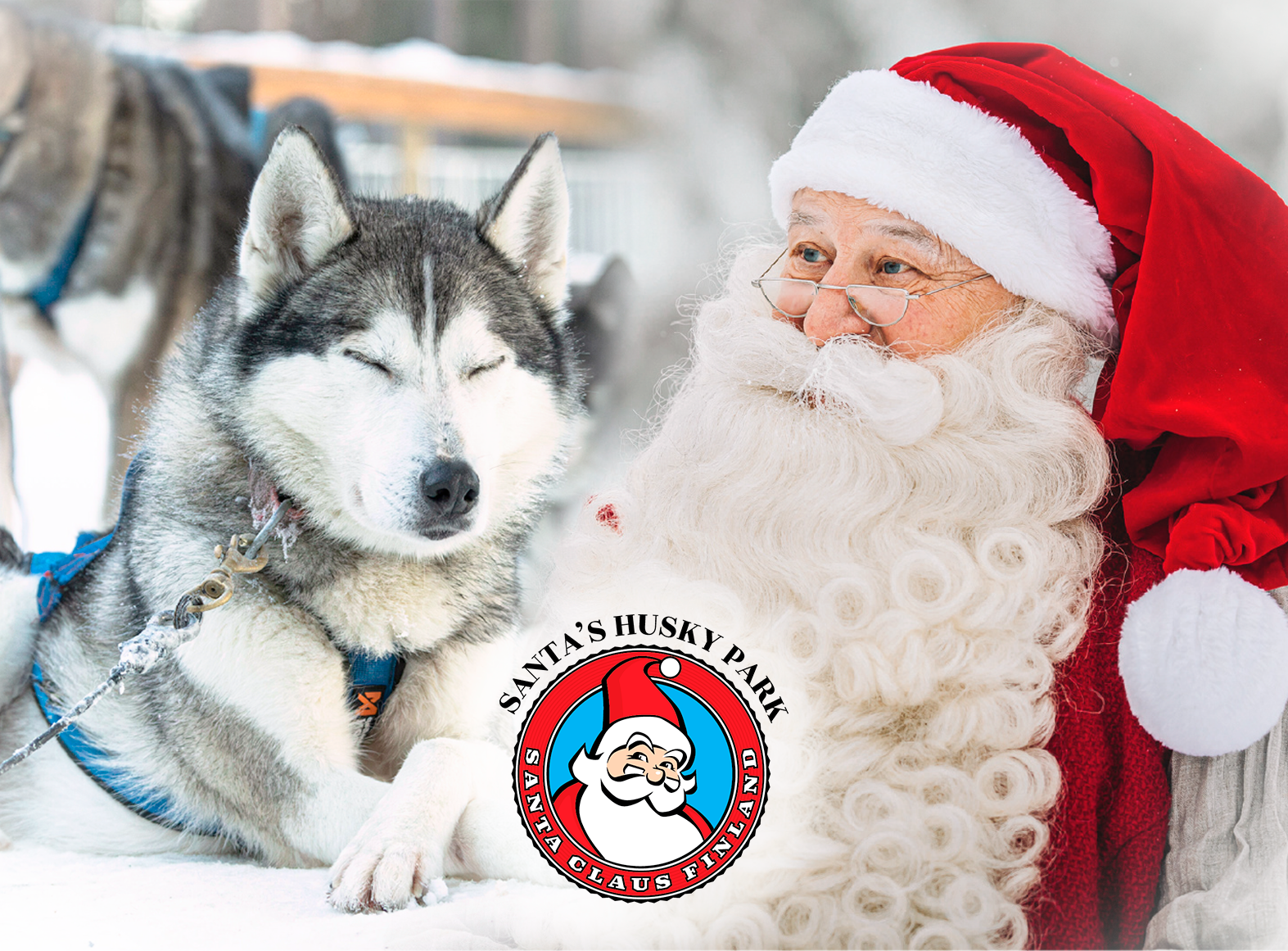
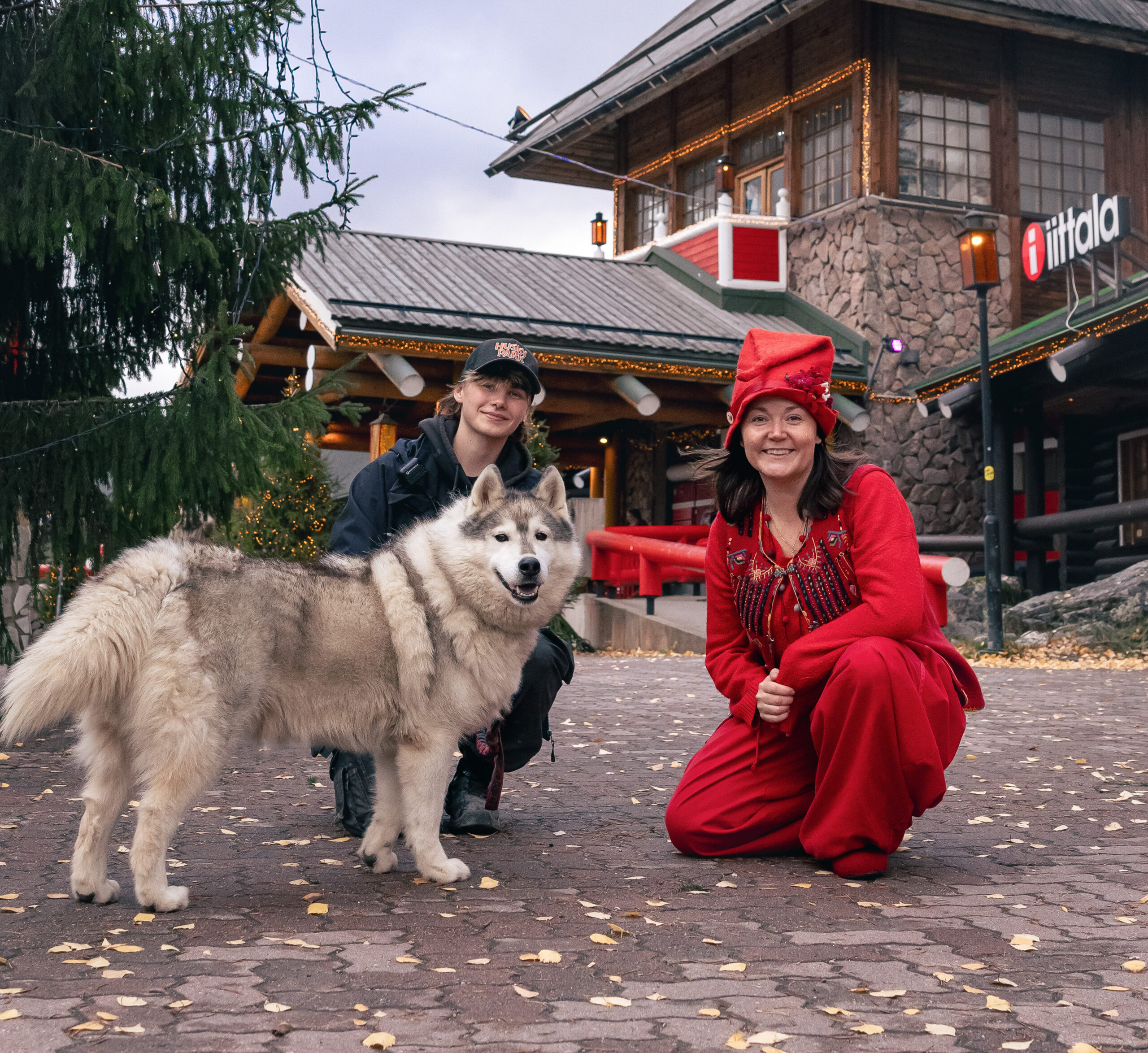
Visiting Rovaniemi offers a magical way to combine two of Lapland’s most beloved experiences: dog sledding with huskies and meeting Santa Claus. Husky Park is Santa’s Official Husky Park, and located directly in Santa Claus Village, Rovaniemi, Finland. Just like Santa’s Office, we are open every day (except during May), so even if you’re visiting during Christmas, or summer, you’ll be able to do both!

🐕 Unique Arctic Setting: Husky Park at the Arctic Circle

Nestled directly on the Arctic Circle, Husky Park is more than just a dog sledding adventure, it’s an immersive journey into the heart of Lapland, Christmas, and mushing culture all at once! Husky Rides during winter go beyond just a forest, into the open wilderness, with nothing but snow and beautiful scenery around you!

The park is open year-round, but Christmas transforms it into a winter wonderland. Snow blankets the scenery, the northern lights dance across the sky, and the air hums with festive energy. Whether you’re a family with young children or a couple seeking a romantic, adventurous escape, the experience is designed to be inclusive, safe, and deeply memorable.

Batman also wanted to visit Santa Claus Village last year!

🐶 Family-Friendly Dog Sledding: More Than Just a Ride

A Husky Park visit is not just about dog sledding, it’s about connection. The park offers a range of experiences tailored to all ages and comfort levels:

  • Husky Park Summer Visiting Package: Perfect for families, this includes a guided tour of the kennels, and a Husky Meet & Greet, a chance to meet the dogs, learn about their care, and take photos with them.
  • Husky Park Entry Ticket (Winter): Every winter activity includes an Entry Ticket for the entire day with no time limits, but it can also be bought by itself. Perfect for anyone wanting to just meet the huskies, and see how life at Husky Park looks like. Tickets for activities can still be bought at the door, while supplies last!
  • Husky Meet & Greet: Best activity for photos, you’re let into an enclosure with our huskies running free! You’re also given treats by the guides to feed the dogs, to try and get them to come to you more.
  • Husky Ride Experiences: Choose from short 500m rides (ideal for kids and first-timers) to longer 2-5 km excursions through snowy forests and open scenery.

All rides are led by experienced mushers who emphasize safety, animal welfare, and fun, making each trip accessible for any kind of visitor 🐾

🎅 Meet Santa Claus—For Free—Any Day of the Year

One of the most unique aspects of Husky Park’s location is its proximity to Santa Claus Village, where you can meet Santa Claus himself, completely free of charge, every day of the year.

Located just a 3 minute walk from Husky Park, the Santa Claus Office is situated right on the Arctic Circle. There, visitors of all ages can:

  • Share their Christmas wishes with Santa.
  • Receive a personalized “Certificate of Visit” (available in multiple languages).
  • Take photos with Santa and his cheerful elves.

During the Christmas season (late November to mid-January), the village is especially festive, decorated with glowing lights, reindeer displays, and seasonal music. However, be prepared for longer queues, especially on weekends and holidays. To make the most of your visit, consider arriving early in the day or during off-peak hours.

✅ Practical Tips for Combining Husky Tours and Santa Visits

  1. Start with Husky Park: Begin your day with a dog sledding experience or a visit to the kennels. The adventure is most enjoyable when you’re energized and excited.
  2. Head to Santa Claus Village: After your husky experience, stroll over to Santa Claus Village (3-5 minutes away). During winter, you can return to Husky Park later if you wish, there’s no time limit on the entry ticket.
  3. Dress warmly: If you’re visiting during winter, layer up! Lapland’s winter temperatures can dip below -15°C (5°F), even in December.
  4. Book in advance: While Santa is free, booking your husky ride online helps secure your preferred time slot.
  5. Take lots of photos!: While trips like these might be memorable for life, getting a picture book of your trip to Winter Wonderland is priceless! You can buy an official photo of your meeting with Santa, and Husky Park also offers a professional photographer service.

Long story short, you can (and should!) absolutely combine your husky adventure, with a meeting with Santa, and the best way to do it right here in Santa Claus Village, Rovaniemi

What Certifications Should an Ethical Husky Operator Have?

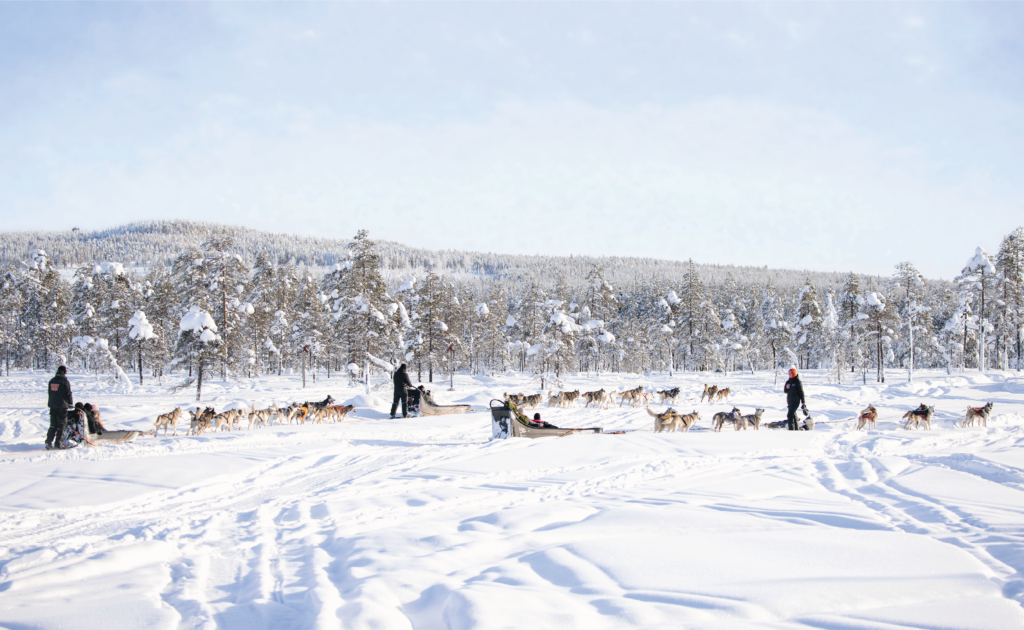
Husky Park 2km Husky Sled Ride through Finnish winter scenery

What certifications should an ethical husky operator have? That is a complicated question, and we are not the authority on what makes a husky operator “ethical.” We don’t set the standards. But we do believe in transparency, responsibility, and continuous improvement, and here are the certifications we’ve chosen to pursue that reflect our values, and what they actually mean.

1. Sustainable Travel Finland (STF)
– A Framework for Responsibility

In 2020, Finland launched Sustainable Travel Finland (STF), a national initiative by Visit Finland to guide tourism businesses toward long-term environmental, social, and economic sustainability. As a company operating in the heart of this, we saw this not as a box-ticking exercise, but as a living, evolving roadmap.

There are seven steps on the STF development path:

Step 1: Formal commitment to sustainability, with a designated coordinator.
Step 2: Training through the Visit Finland Academy, internal self-assessment, and staff education.
Step 3: Third-party certification, verified through audits and documentation.
Step 4: Transparent communication of our sustainability goals, progress, and challenges (no greenwashing, ever).
Step 5: Annual reporting on national sustainability indicators.
Step 6: A detailed, actionable development plan covering all our operations, from dog care to energy use.
Step 7: Third-party verification and renewal every two years.

The STF label is a promise. It means we’re accountable to a system that aligns with international standards, and that we’re committed to ongoing growth, not static achievement.

2. Green Activities – The Only Nordic Certificate with Animal Welfare at Its Core

When it comes to husky tourism, animal welfare is non-negotiable. But finding a certification that actually measures it? That’s rare.

Enter Green Activities, a Nordic sustainability program specifically designed for outdoor activity providers. It stands out because it’s the only certification in the region that includes specific, enforceable criteria for the well-being of tourism animals.

To earn the Green Activities label, we had to prove:

Our huskies live in spacious, species-appropriate kennels with access to natural terrain and socialization.
We follow strict feeding, health, and rest protocols.
Training methods are humane and based on positive reinforcement.
We conduct regular welfare assessments and keep detailed records.
Our staff are trained in animal behavior and emergency care.

This isn’t just about ethics, it’s about evidence. The certificate is awarded only after an independent auditor verifies our practices, and we must report annually on our animal welfare performance.

We believe animal welfare should be at the heart of every husky experience. And while we think the criteria should be even stricter, it remains the most meaningful animal-focused certification available in Finland today.

3. The Finnish Key Flag – A Symbol of Local Roots

Our business is rooted in Finland. Our operations are based in Rovaniemi, and our team lives and works in the region.

That’s why we proudly display the Finnish Key Flag, a symbol that confirms our service is produced by a Finnish-owned company, with a Finnish operations center. The Key Flag isn’t about sustainability. It’s about local identity and integrity. It means we’re not a foreign brand pretending to be “Arctic.” We’re Finnish, and we’re proud of it. We don’t just serve tourists, we’re part of the community.

4. Carbon Emission Compensation via Carboreal – A Forest for the Future

We know our operations leave a footprint. From vehicle fuel and staff commuting to the energy used in dog food storage and heating our facilities, emissions are unavoidable, even with our best efforts.
So we’re taking action.

Since 2023, we’ve measured our carbon footprint using tools like Visit Finland’s Hiilikuri carbon calculator. While our data is still being refined, we’ve already taken steps to reduce our impact:
100% renewable electricity.
Solar panels generating surplus power.
Ground-source heat for heating.
Energy-efficient refrigeration for dog food.

But some emissions remain. So we partnered with Carboreal, a Finnish climate tech company, to offset what we can’t yet eliminate. Together, we’re planting a new forest in Tervola, just south of Rovaniemi—on land previously used for farming. This forest will grow over 70 years, absorbing nearly 500 tonnes of CO₂ over time. Carboreal uses science-based forest management, monitors growth, and ensures biodiversity. The forest will support native species, improve soil health, and provide long-term ecological benefits.

We’re currently working with Carboreal to earn an official carbon emission compensation certification through Kiwa, a globally recognized auditor. While the final certification isn’t yet awarded, we’re committed to full transparency throughout the process.

Why We Don’t Claim to Be the Authority

There’s no single perfect label. No one-size-fits-all standard. Some certifications are stronger in environmental impact, others in animal welfare, others in local economic contribution.
And yes—some are outdated. Some are easy to earn. But we do believe in progress over perfection, transparency over silence, and action over rhetoric.
That’s why we’ve chosen to be part of STF, to earn Green Activities, to carry the Key Flag, and to work with Carboreal—not because we’ve “arrived,” but because we’re walking the path.

And if you find an operator with different certificates, this is NOT a list to hold against them, only transparency of our work in progress.