
Why Don’t Huskies’ Paws Freeze? The Science Behind Their Frost-Proof Feet
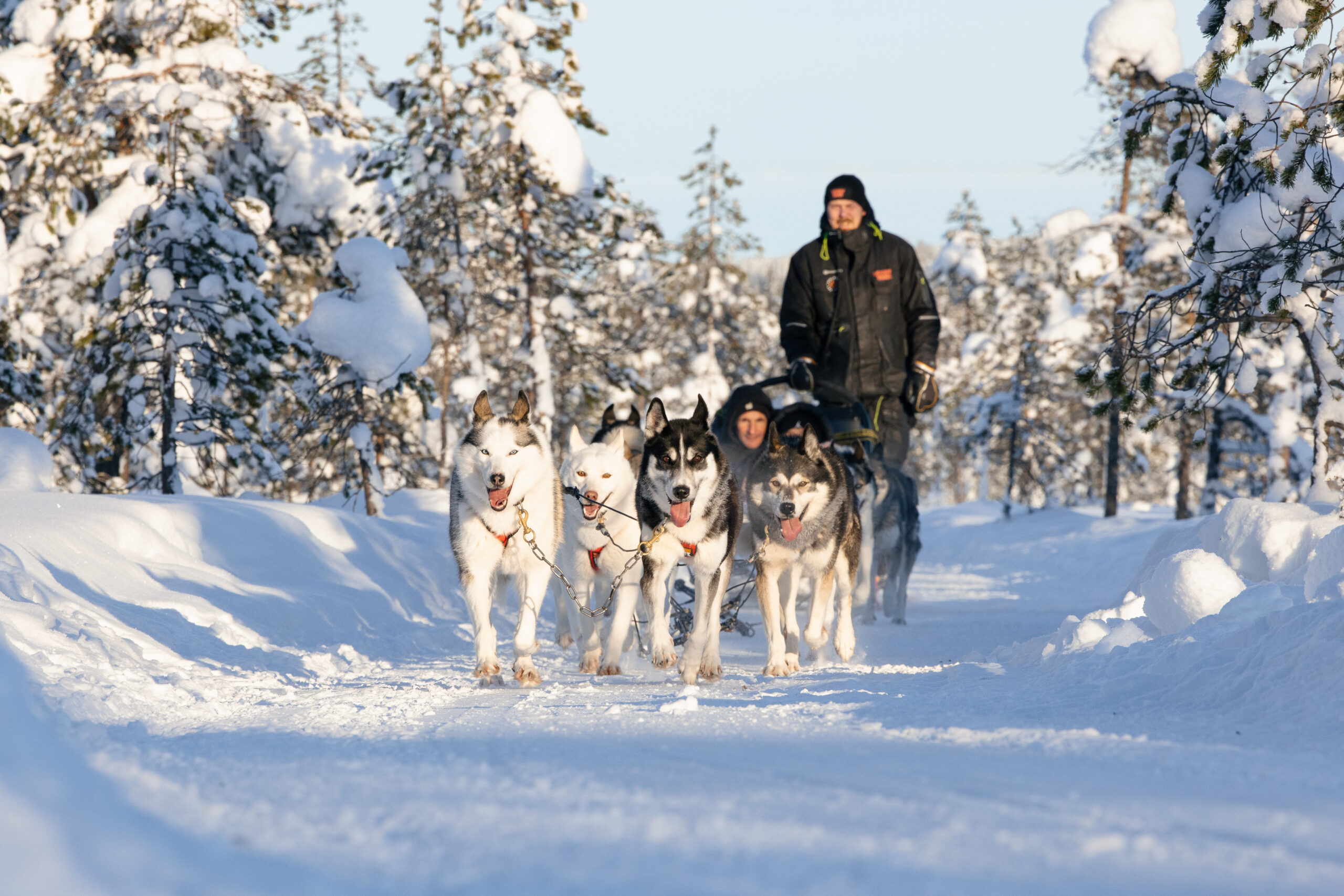
Huskies are the iconic winter companions, but their most remarkable feature might be their paws. These tough, furry feet are perfectly designed to tackle freezing temperatures, making them ideal for snow-covered adventures. Let’s dive into what makes husky paws so special, and how they stay warm in the harshest cold!
Arctic-Ready Design: Thick & Cushioned Protection 🐾
Life in the harsh Arctic climatic conditions has given Huskies uniquely structured paws that act like natural snowshoes. Husky paw pads are double-layered and packed with fat, acting as natural insulation. The thick tissue and collagen fibers not only shield against ice but also provide cushioning for long runs on rough terrain. Their paws are also compact and well-furred between the toes, preventing snow and ice from packing between them – which could cause painful cuts or discomfort. Imagine for a second walking on snow in shoes filled with soft, insulating foam, except these paws are part of the dog’s body!
Compared to other dogs, husky paws are much thicker and contain more fat to combat extreme cold. The overall paw structure also provides excellent traction on slippery surfaces. These various evolutionary adaptations make huskies ideal for sledding, hiking, or even standing on frozen ground for hours. This paw design directly reflects Siberian husky’s background as a sled dog.
Do they need socks?
Depending on terrain, it can be absolutely crucial to protect a huskys paws with socks or something similar. At Husky Park, we maintain our snowy trails so well we hardly ever need the socks during winter, but during training if the weather is cold but there’s no snow on the ground, we do use socks as necessary to protect the dog paws from running on the freezing gravel/path. Maintained snowy trails though? It’s their natural running terrain 🐾
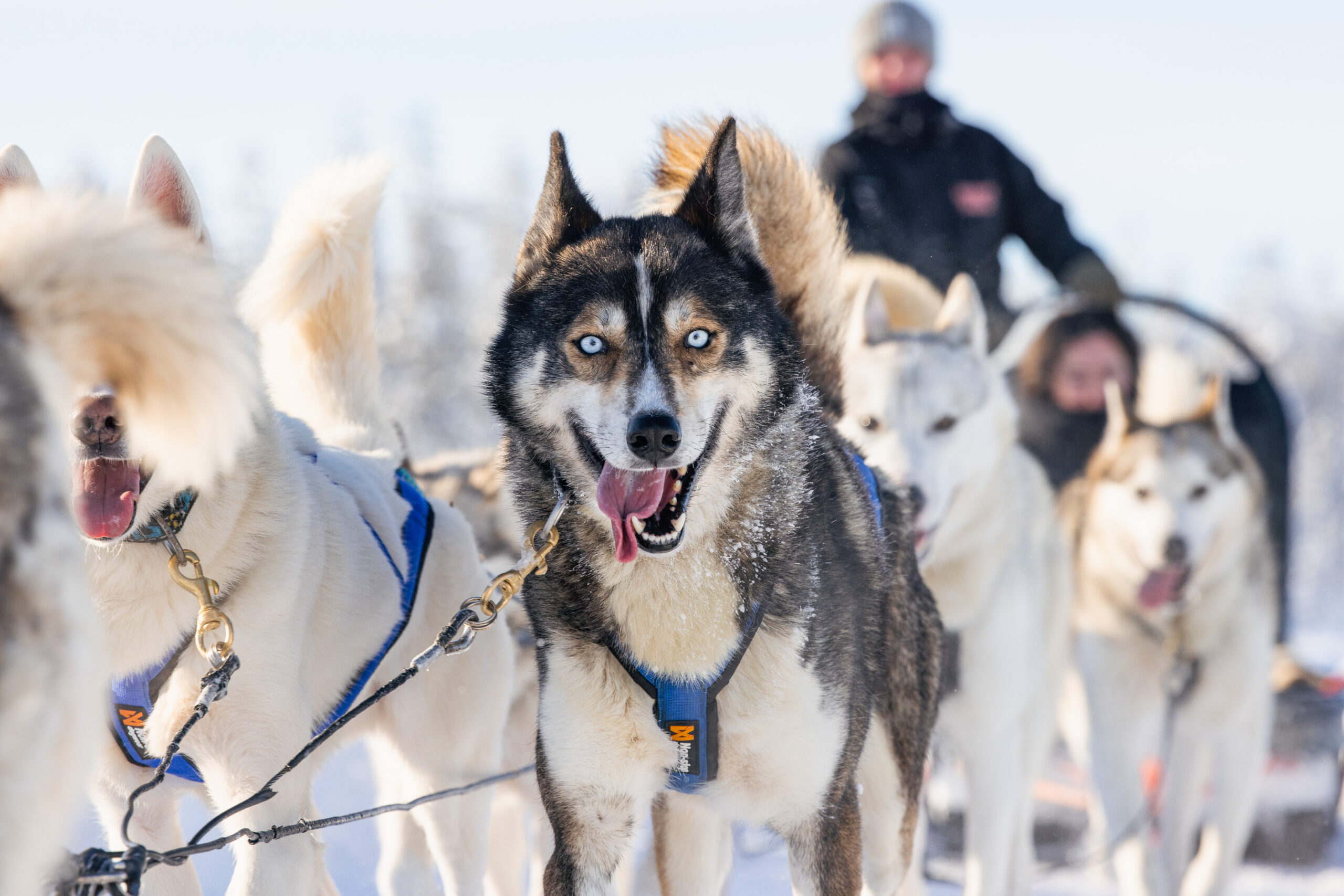
Look at this excitement! Roo couldn’t be happier running on the snow 🐺
The Secret Weapon: Counter-Current Heat Exchange
Siberian huskies have a built-in “thermostat” in their paws thanks to a clever and efficient arrangement of their blood vessels. Arteries carrying warm blood from the heart to the paws are surrounded by veins returning colder blood from the feet to the heart. This close arrangement creates a heat-exchange zone: as warm arterial blood flows down, it transfers warmth to the returning cold blood. The result? The blood heading back to the heart is reheated before reaching the core, reducing the energy required to maintain body temperature.
This “counter-current circulation” system isn’t unique to huskies, nor mammals for that matter. It is a survival strategy seen in many animals adapted to extreme environments: dolphins use it to regulate heat on their fins, wading birds use it to keep their long legs warm in cold water, and jackrabbits use it to warm their long ears.
For sled dogs, such as Siberian huskies, this adaptation is crucial. It allows them to run long distances on snow and ice without losing excessive heat through their paws, ensuring they stay warm and efficient during the winter months. It’s like having a mini heater that conserves warmth for the rest of their body!
Experience the Magic in Nature 💫
Want to see these incredible paws in action? Head to Arctic Circle Husky Park in Rovaniemi, Finland, where you can witness huskies gliding across snow-covered landscapes. These adventures let you learn about their unique adaptations while enjoying the thrill of sledding or hiking with these resilient dogs. It’s a chance to appreciate how nature has shaped them for life in the Arctic!
Next time you see a husky, remember: their paws aren’t just cute, they’re engineering and evolutionary marvels. Whether they’re racing through snow or padding quietly on icy paths, these dogs are perfectly built for winter wonders.
Ready to explore? Visit Husky Park in Finland and discover the magic of arctic adventures!